Some government regulations have become outdated. Others become absurd. The FCC's national television ownership cap has become both. For decades, Washington banned local television broadcast groups from reaching more than 39% of American households. The rule was built for a media world from the last century — a world of limited viewing options, a handful of networks, a captive audience with nowhere else to turn.
That world no longer exists.
Americans now get news, information, and entertainment from countless sources: YouTube, Netflix, TikTok, Facebook, Instagram, X and also traditional TV. They consume content from global companies with market caps larger than the GDP of most countries.
And where are those companies headquartered? The coasts, from New York to San Francisco. They don't care about the middle of this country. They don't cover it. They don't reflect it.
Last month, several national TV networks refused to air President Trump’s primetime address on foreign adversaries meddling in American elections. That’s the media establishment in action, coastal elites deciding what you're allowed to see.
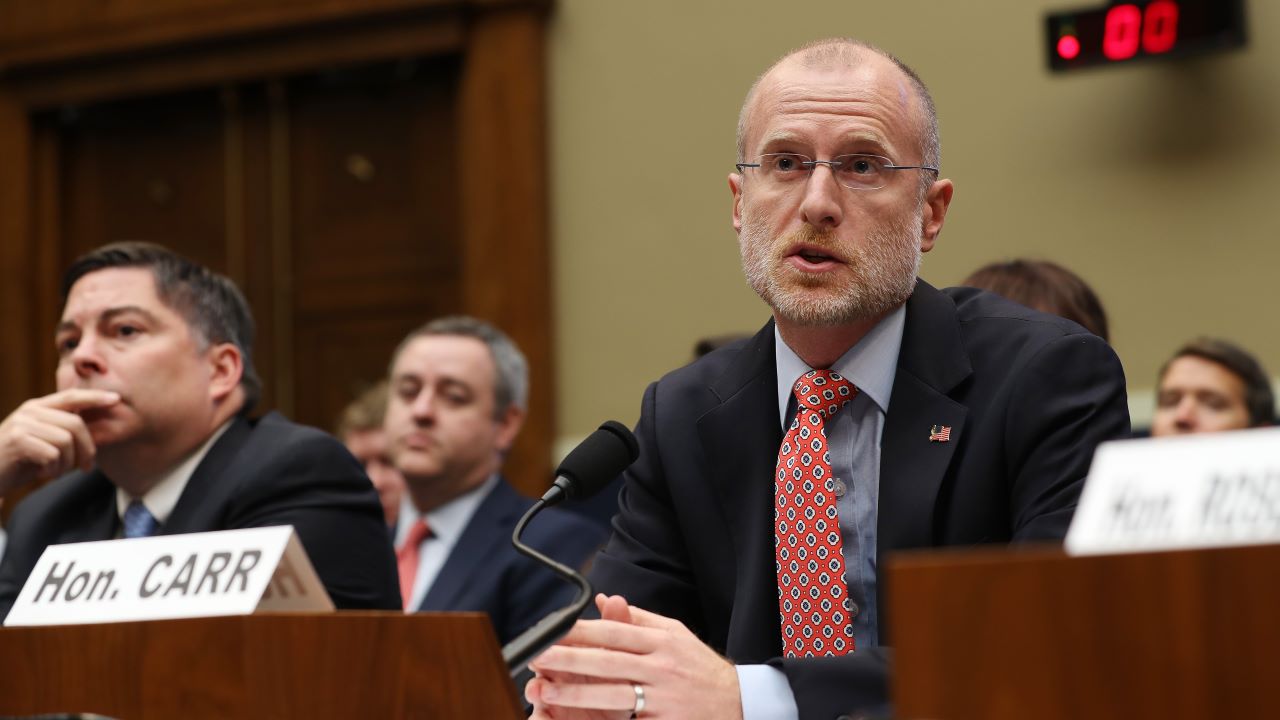
FCC Chairman Brendan Carr is fighting back.
The commission recently advanced an order to repeal the national cap, a move that signals it is finally ready to confront one of the most indefensible media rules still on the books.
If Congress proposed capping Netflix at 39% of American households tomorrow, it would be laughed out of the room. But impose the same limit on broadcasters, and Washington’s regulatory class acts like it makes perfect sense.
The national cap is not a free-market policy, a conservative policy, or even a serious competition policy. It is the government picking winners and losers, tying one set of competitors down while everyone else runs free.
That is exactly the kind of government distortion conservatives have spent decades fighting.
The cap’s defenders act like the internet never happened. Their arguments are self-serving and frozen in time. They warn about broadcasters getting too big while shrugging at trillion-dollar Big Tech firms that dominate digital advertising, online video, and the modern flow of information. They fret over local television stations while handing a free pass to companies with global reach and unchecked power.
The media marketplace has changed beyond recognition. The rules governing broadcasters have not.
Carr’s FCC is ready to fix that.
Repealing the cap won’t hand broadcasters a special favor. It will remove a government-imposed handicap. Broadcasters will still compete and have to win viewers, attract advertisers, and produce content people actually want to watch. They will simply do so under rules that reflect modern reality, not assumptions from a dead era.
Modernizing these rules won’t solve every problem facing local television. But it will eliminate a government-made barrier that serves no meaningful public-interest purpose. It will give local broadcasters the ability to push back against coastal elites and deliver the news Americans actually deserve to hear, not what's filtered through a New York newsroom.
Carr deserves major credit for finally forcing this relic of media policy into the real world.
CLICK HERE FOR MORE FROM MIKE DAVIS