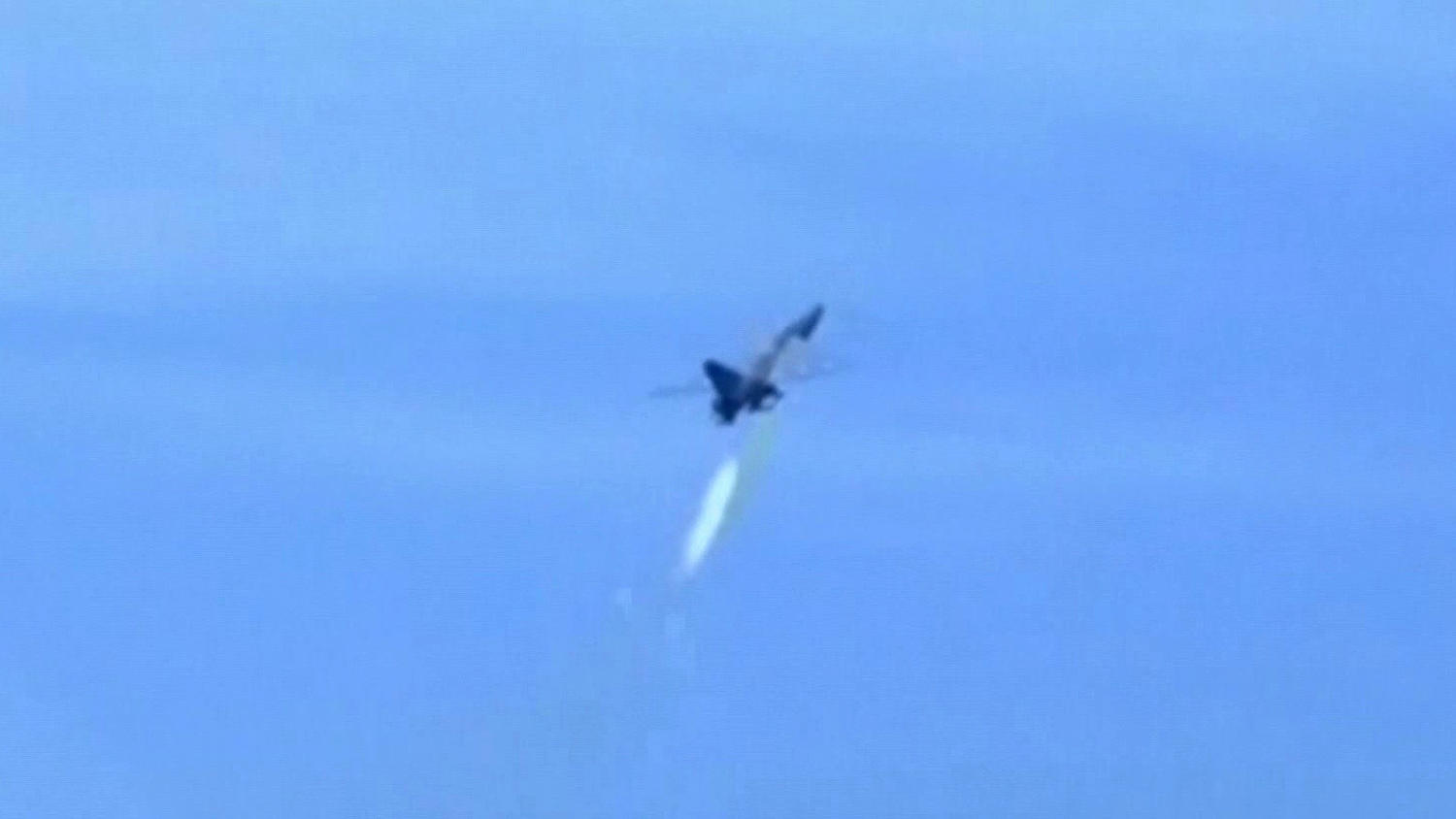
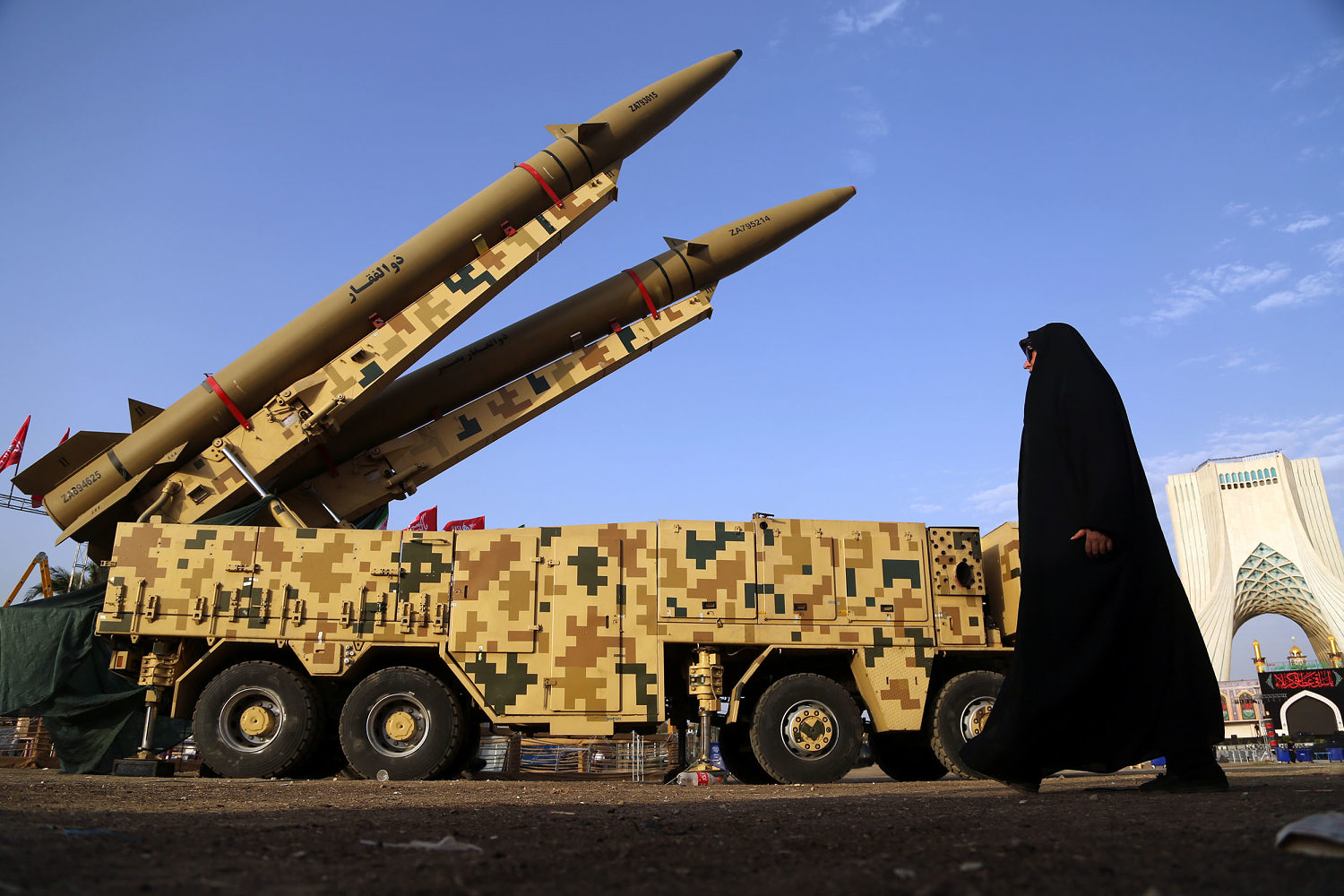
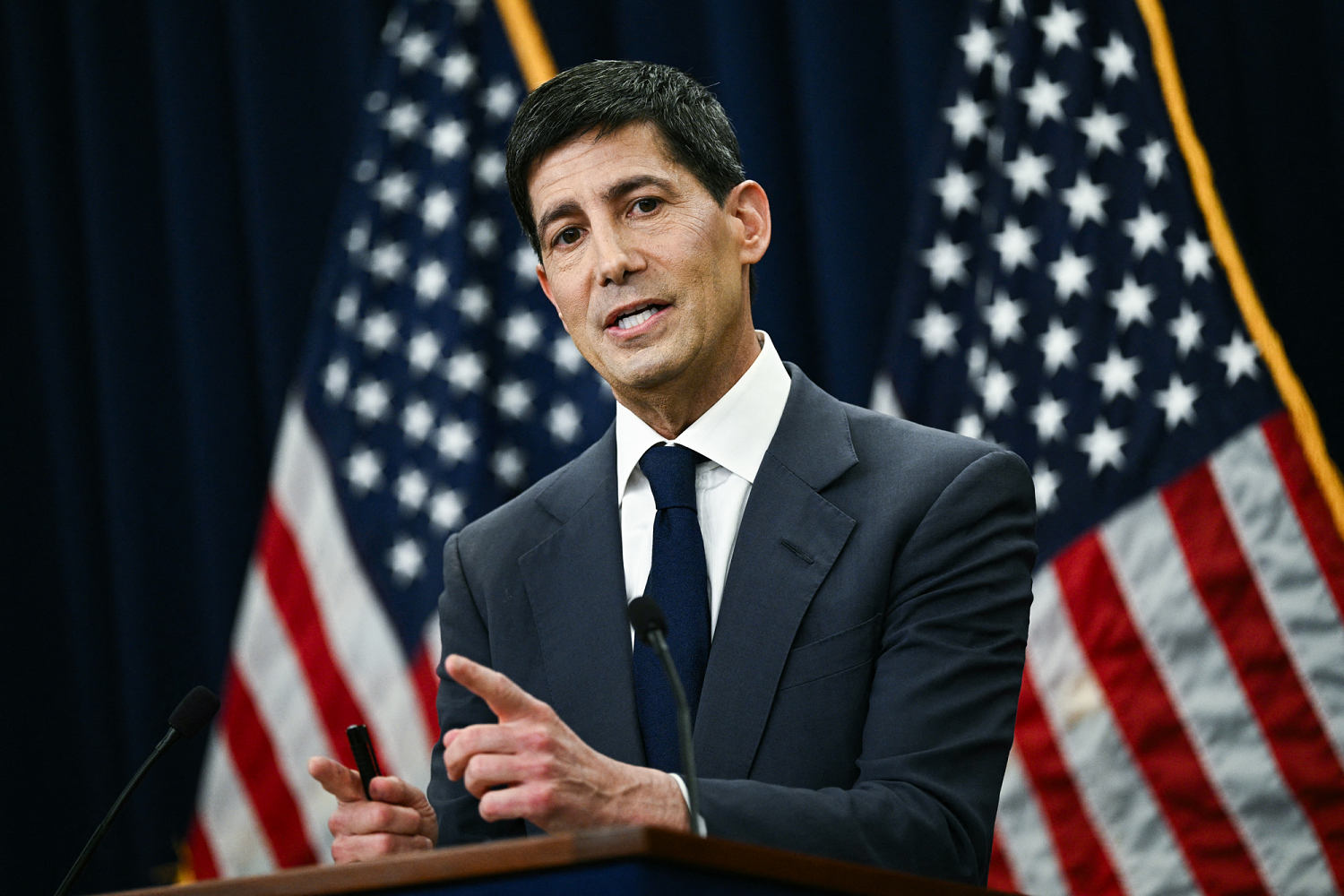
Iran attacked American forces in the Middle East overnight, prompting Saudi Arabia and the United States to retaliate against a Tehran-backed militia in Iraq and shattering a period of relative calm raising the risk of a further escalation of the conflict. Iran had suspended its attacks amid a renewed push to reach a deal with the U.S., but warned earlier this week that it would not allow Washington to dictate the “timing of war and peace,” while maintaining that the Strait of Hormuz was “closed.” The sudden return of hostilities shattered the relative calm that had descended on Iran for several days after the U.S. paused daily strikes on the Islamic Republic in order to make room for peace talks. Iran’s Islamic Revolutionary Guard Corps said it had launched strikes on a U.S. air base and military central command center in Jordan, state-run Nour News agency reported early Wednesday, local time. Its navy also struck three oil tankers that it said were “in violation” of its blockade of the Strait off Hormuz, according to the state-run news agency IRNA. In a post on X, U.S. Central Command, or CENTCOM, said it had thwarted an “attempted surprise attack” on forces based in the Middle East around 5.45 p.m. Tuesday. All Iranian missiles were successfully intercepted, it said, but troops remained “vigilant and at a high state of readiness.” Just hours later, CENTCOM said it had launched “precision strikes” in Iraq alongside the Saudi armed forces against “Iran-aligned terrorists” that it said the IRGC had directed to attack U.S. forces and Saudi energy infrastructure. CENTCOM did not name the militias it had targeted, but the Popular Mobilization Forces, a grouping of dozens of mainly Shia pro-Iranian armed factions, said in a post on X that a number of its headquarters in Iraq had been attacked and several members killed. The attack marked a “highly dangerous escalation” in the conflict, as well as a “violation of Iraq’s sovereignty,” it said. U.S. and Saudi fighters struck multiple logistics and weapons sites across eastern Iraq in a “strong response to over 30 IRGC-directed aerial drone attacks in the last 72 hours,” which it said were “unwarranted,” CENTCOM added. “The IRGC and its terrorist proxies must cease these attacks to avoid further U.S. military response,” it warned. The Saudi Defense Ministry appeared to separately acknowledge the strikes in a post on X, warning that “the Kingdom emphasizes that it does not seek escalation but will respond to any aggression it faces.” Andreas Krieg, a senior lecturer at King’s College London’s School of Security Studies, said Iran likely launched its “surprise” attack in a bid to “shape the negotiations through force, not because it had abandoned diplomacy.” He added that the timing of the strikes, right around President Donald Trump’s meeting with Israeli Prime Minister Benjamin Netanyahu in Washington, also felt “deliberate,” with Iran signaling that “any new American or Israeli campaign would face an immediate response.” Oil prices soared Wednesday as the renewed hostilities threatened a potential escalation to an already spiraling war that has seen the Strait of Hormuz largely shuttered for months amid Iran’s blockade of the key trade route. The U.S. is also blockading Iranian ports along the waterway, through which some 20% of the world’s oil passed before the conflict began. The conflict has also expanded to the Red Sea after the Iran-backed Yemeni Houthis announced a blockade on Saudi Arabia on July 20 with shipping traffic drastically slowed along both Hormuz and Bab el Mandeb. Expressing optimism amid the renewed diplomatic efforts aboard Air Force One, Trump said Monday that he believed there was a “chance we can make a deal.” It was not the first time that Trump has expressed optimism over negotiations to bring an end to the war and see the Strait of Hormuz reopened only to see a return to hostilities soon after. The president has repeatedly walked back threats to order sweeping attacks on infrastructure across Iran, but speaking over the phone on Fox News’ “Fox & Friends” earlier Tuesday, he said that if a deal could not be reached he would “finish the job.” The fresh outbreak of hostilities comes after NBC News reported that U.S. military commanders were allowing some Iranian attacks through U.S. defenses as part of an effort to preserve the Pentagon’s weapons supply, according to two senior officials, with NBC News also previously reporting that American weapons stockpiles are diminishing as the war with Iran drags on. Mike Waltz, the U.S. ambassador to the United Nations, told NBC News’ “Meet the Press” on Sunday that the U.S. has “everything that it needs” for military operations against Iran, dismissing those reports.
NBC News
Iran launches attacks on U.S. targets, shattering days-long lull in fighting
· 9 hours ago
Iran attacked American forces in the Middle East overnight, prompting Saudi Arabia and the United States to retaliate against a Tehran-backed militia in Iraq and shattering a period of relative calm raising the risk of a further escalation of the conflict. Iran had suspended its attacks amid a renew...
Source: NBC News
Read full story on NBC News